Understanding the Balance of Natural Landscapes
In natural landscapes, trees play a vital role in maintaining balance and health. They provide shade, improve air quality, and support wildlife habitats. Removing trees can have significant impacts on these ecosystems. It’s essential to understand both the benefits and consequences of modifying tree populations to make informed decisions about landscape management.
The Role of Trees in Your Environment
Trees are an integral part of any landscape, offering various ecological benefits. They stabilize the soil, preventing erosion by holding the ground together with their roots. Furthermore, they act as a natural filter for pollutants, improving air quality by absorbing harmful substances. The presence of trees can also reduce temperatures through shade and transpiration, making urban areas more comfortable during hot weather.
Consequences of Removing Trees
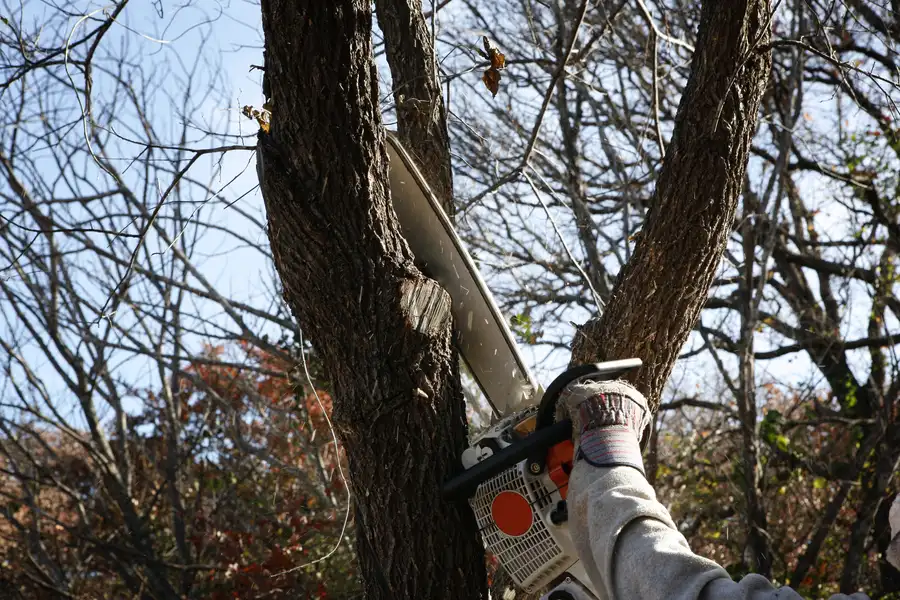
The removal of trees can lead to several environmental challenges. For instance, without trees, there is a higher risk of soil erosion and flooding since the roots no longer hold the soil in place. This can degrade land quality and affect water resources negatively. Additionally, removing large numbers of trees reduces biodiversity by eliminating habitats for various species. These changes can disrupt local ecosystems and decrease the overall resilience of the environment.
When Tree Removal Becomes Necessary
Sometimes, tree removal is unavoidable due to safety concerns or disease control. In such cases, it’s crucial to assess the situation properly. One must consider factors like the health of the tree and its potential threat to structures or people. By understanding when it’s truly necessary to remove a tree, you can minimize adverse effects on the landscape while addressing immediate risks efficiently.
Strategies for Mitigating Negative Impacts
To mitigate the negative effects of altering tree populations, consider implementing alternative strategies:
- Planting native species that require less maintenance and provide similar ecological benefits
- Using companion planting techniques to enhance biodiversity
- Utilizing mulch and ground cover plants to prevent soil erosion
Benefits of Professional Arborist Services
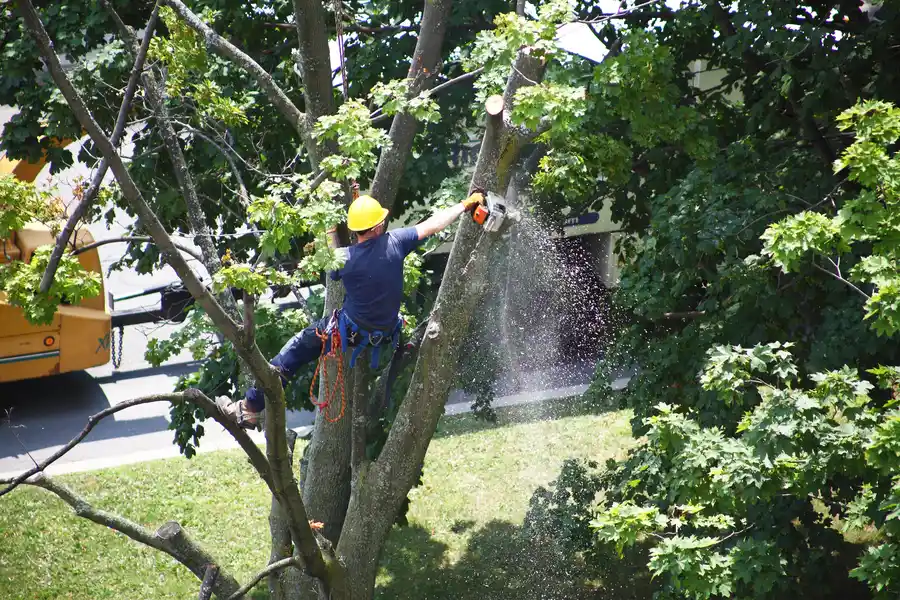
Engaging professional arborists can ensure proper tree management practices are followed. They offer expertise in assessing tree health and determining whether tree removal is essential. With their help, you can make informed decisions that preserve your landscape’s integrity and promote long-term ecological stability.
Best Practices for Sustainable Landscaping
Sustainable landscaping involves thoughtful planning and maintenance practices aimed at achieving harmony with nature. Here are some best practices:
- Regularly assess trees for signs of disease or instability
- Implement a diverse mix of plant species to enhance ecosystem resilience
- Adopt water-efficient irrigation systems to conserve resources
- Practice organic gardening methods to maintain soil health naturally
Considering Costs and Investments in Landscaping
Investing in sustainable landscaping can have upfront costs but offers long-term savings. Reduced maintenance needs and increased property value can offset initial expenses over time. When making financial decisions about landscape alterations, weighing these factors helps achieve an efficient use of resources.
Your Path Forward With Thoughtful Landscape Management
Balancing the need for landscape change with environmental stewardship requires careful consideration and expert guidance. At Carlos Tree Service of Mount Vernon, our experienced team can help you navigate these challenges effectively. Whether you’re located in Mt Vernon, WA or beyond, contact us today at (360) 205-5246 to learn more about our comprehensive services tailored to your landscaping needs.